If you’re about to get assessed for ADHD or are considering booking an initial screening with PrivateADHD.co.uk but are not sure what to expect, we got you.
After each assessment, our clinicians provide a comprehensive ADHD diagnostic report, which you can use for future reference. Learn more about this document below – what it contains, why it’s needed, and how you can use it as part of your treatment plan in the case of a diagnosis.
What Is An ADHD Diagnostic Report?
The ADHD diagnostic report is a comprehensive, multi-page document written by your specialist (psychiatrist or psychologist) that contains as much detail as possible about your history, symptoms, and functional impairments. These details are gathered throughout the assessment process.
Other sections you might find in the report include: interview findings, results from standardised rating scales, childhood developmental history, and clear diagnostic conclusions regarding ADHD and any co-occurring conditions.
This document may seem to be just paperwork, but it can be more than that. For many people, it is a validation of lived experiences and a gateway to essential support. Here is a breakdown of what you can expect to find inside.
Biographical & Referral Details
The report begins with the essential “who, what, and why.” This section includes standard patient information, such as name, date of birth, and contact details, alongside the clinician’s details.
Here, you’ll also find the reason for referral. This section ensures that the specific challenges that prompted the search for answers are prioritised from the start.
For example, a student might be referred because they are struggling to complete exams on time despite knowing the material, or an adult might seek an evaluation after realising their “clutter” and “forgetfulness” are significantly impacting their career and mental health.
If you or your child experience similar struggles, reach out to PrivateADHD.co.uk and book an Initial ADHD Screening. |
Developmental History
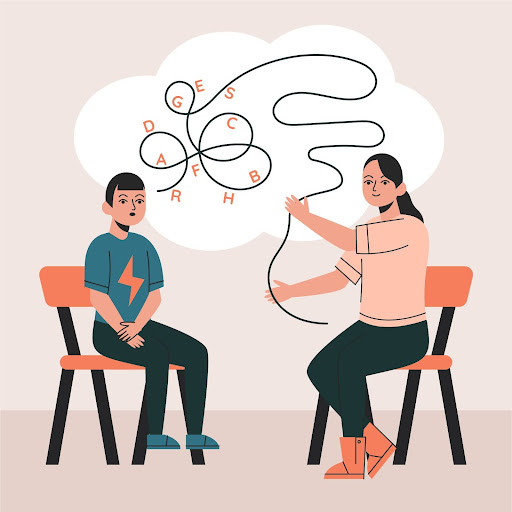
ADHD is a neurodevelopmental condition, meaning symptoms must be present from childhood. This section is often the longest – here, the clinician will detail developmental milestones, noting if speech, motor skills, or social cues were met on time.
It also dives into:
- School Performance – were there comments about “not reaching potential” or being “the class clown”? Was there a history of losing homework or struggling to sit still?
- Family History – since ADHD has a strong genetic component, the report will note if other family members have neurodevelopmental disorders like Autism, Dyslexia, or ADHD itself.
- Occupational History – for adults, this tracks how symptoms have influenced their career path, frequent job changes, or difficulties with workplace organisation.
Clinical Interview Summary
This part summarises the deep-dive conversation between the patient and the clinician during your ADHD assessment. Rather than just checking boxes, this section describes how symptoms manifest in daily life.
Instead of just saying “inattention,” the report might describe a patient’s tendency to lose their keys daily, their struggle to follow multi-step instructions, or the “paralysis” they feel when faced with a large task. It captures the emotional toll of these symptoms, providing an empathetic look at the internal struggle that external observers might miss.
Assessment Results/Rating Scales
This section quantifies the severity of symptoms compared to the general population. To provide objective data, clinicians use standardised rating scales such as the DIVA-5 (Diagnostic Interview for ADHD in adults) or the CAARS (Conners’ Adult ADHD Rating Scales).
Beyond behavioural scales, some reports include cognitive testing results. You may see scores related to:
- Working Memory
- Processing Speed
- Verbal Comprehension
- Perceptual Reasoning
Clinical Observations
While the patient is answering questions, the clinician is also observing. This section records the “unspoken” data from the session. The clinician might note if the patient:
- Fidgeted or frequently shifted in their chair
- Interrupted or struggled to wait for the end of a question
- Needed questions repeated due to zoning out
- Appeared anxious or, conversely, appeared comfortable and engaged
These real-time observations help showcase the symptoms in action.

Diagnostic Conclusion & Rationale
In this section, you’ll find the definitive answer. The clinician will state whether the patient meets the criteria outlined in the DSM-5 (Diagnostic and Statistical Manual of Mental Disorders) or the ICD-11.
In the report, you’ll also find the main presentation type:
- Predominantly Inattentive – difficulties primarily with focus and organisation
- Predominantly Hyperactive-Impulsive – difficulties with physical restlessness and split-second decision-making
- Combined Presentation – a mix of both
In this section, you can find further explanations as to why this conclusion was reached, linking the history, the interview, and the test data together.
Differential Diagnosis
ecause ADHD shares symptoms with other conditions, the clinician must rule out any comorbidities.
This section explains how they distinguished ADHD from things like anxiety, depression, or sleep disorders. For example, they might note that while the patient is anxious, the anxiety is a result of ADHD-related forgetfulness, rather than the primary cause of their focus issues.
As specialists, we always strive to make sure the treatment plan targets the root cause rather than just the surface-level symptoms. Looking for clarity? Book an initial consultation with PrivateADHD.co.uk today.
Recommendations & Treatment Plan
Finally, the report highlights a roadmap for treatment, tailored to the individual.
Common recommendations include:
- Medication – discussion of stimulant or non-stimulant options.
- Therapy – such as CBT (Cognitive Behavioural Therapy) for ADHD or specialised coaching.
What Can You Use Your ADHD Diagnostic Report For?
ADHD is recognised as a disability under acts like the Equality Act 2010 (UK) or the Americans with Disabilities Act (ADA). This means that your diagnostic report document can be used as formal evidence required torequest various reasonable adjustments, such as:
- extra time and other reasonable adjustments in examinations
- disabled students’ allowances in higher education
- education, health, and care plans in compulsory education
- access to work grants and workplace adjustments
On top of educational and professional adjustments, the diagnostic report can serve as a great source of personal peace. Reading a clinician’s objective observations can help you find ways to explain your brain to partners, friends, and family, and learn how to advocate for yourself and your needs.
Many people struggle with feelings of internalised shame for their struggles. If you find yourself relating to ADHD symptoms, get in touch with our PrivateADHD.co.uk specialists and book an initial assessment. We’ll guide you on the road to clarity. |