In clinical studies of children, the male-to-female diagnosis ratio is approximately 4:1, compared to wider population studies where this ratio is closer to 2:1.
From childhood to adulthood, ADHD becomes significantly more recognised in women – but does this have to do with differing symptoms? Or is there something else leading to women being underdiagnosed?
What Are The Symptoms Of ADHD? Gender Differences In ADHD Presentation
Historically, ADHD was recognised as a condition primarily affecting boys, which they would eventually outgrow as adults.
This view is severely outdated. We now know that ADHD presents in both men and women, and is a lifelong condition that can’t simply be outgrown but rather managed. We have also identified three main types of ADHD:
- Hyperactive/Impulsive Type – symptoms of hyperactivity-impulsivity, but not inattention.
- Inattentive Type – symptoms of inattention, but not hyperactivity-impulsivity (previously called ADD – Attention Deficit Disorder).
- Combination Type – symptoms of both inattention and hyperactivity-impulsivity.
Although both men and women share similar core symptoms (such as hyperactivity, impulsiveness, and inattentiveness), studies find that the expression of this neurodevelopmental disorder can differ across genders. For example, boys and men are more likely to display the hyperactive/impulsive type of ADHD, whereas girls and women tend to display more inattentive behaviour.
Let’s have a more detailed look at how ADHD statistically presents in both genders below:
ADHD Symptoms In Men
Boys with ADHD tend to exhibit more externalising behaviours, such as:
- Hyperactivity
- Impulsivity
- Disruptive behaviour
- Physical restlessness
- Verbal chattiness
- Emotional outbursts
This external presentation leads to much earlier diagnosis compared to girls. It also means boys are more frequently diagnosed with hyperactive-impulsive or combined subtypes of ADHD.
In adulthood, the hyperactivity tends to diminish, leading to increased challenges with executive functioning and time management.
ADHD Symptoms In Women
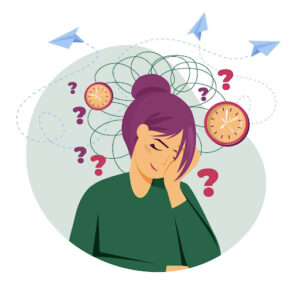
Compared to boys, girls commonly display more internalising symptoms – a primary cause for the underdiagnosis of girls. The symptoms of ADHD in women tend to be:
- Difficulties with maintaining attention
- Tendency to be easily distracted
- Daydreaming
- Lack of organisation

Inattentive symptoms are less disruptive and less noticeable in schools, which leads to a lot of potential ADHD diagnoses being overlooked or mistaken for other conditions, such as anxiety or depression (which can develop alongside ADHD as well, further complicating the diagnosis process).
How ADHD affects women may also change during hormonal changes such as puberty, menstruation, pregnancy, and menopause.
Are Men Diagnosed With ADHD More Often Than Women?
With the ratio of diagnosed men vs women ranging from 2:1 to 4:1, it’s clear that women end up overlooked when it comes to ADHD and not only (e.g. autism). There are many potential causes for this:
Historical Bias
Historically, ADHD was considered a male-only condition, and research focused only on hyperactive types. Because of this, diagnostic criteria favoured male-presenting symptoms, which are less statistically likely in women.
Presentation of Symptoms
Boys with ADHD tend to exhibit more external behaviours such as hyperactivity and impulsiveness. In comparison, girls display internal behaviours like inattentiveness and emotional disregulation. As a result, boys are more likely to be noticed by teachers and parents much earlier in school compared to girls, and much more likely to be referred for an assessment.
However, a 2016 study states that women with ADHD often report more severe symptoms of inattention and experience more significant subjective impairment than men. This shows a clear need to increase the recognition of female ADHD from childhood to help girls manage this condition better and achieve better outcomes as they age.
Ignoring symptoms means missing out on the appropriate help you truly need.
If you suspect you or your child may have ADHD, complete our FREE ADHD Screening Questionnaire & contact us to book your video consultation.
Societal Expectations
The societal component of ADHD presentation cannot be ignored.
Male symptoms tend to be less aligned with the societal expectations of their behaviour, which leads to faster recognition and, in turn, faster diagnosis. Female symptoms, such as inattentiveness and disorganisation, are more likely to be attributed to inherent personality traits or emotional issues.
Comorbidity & Associated Disorders
Individuals with ADHD often report additional psychiatric and behavioural disorders. However, even the pattern of comorbidity tends to be different across genders.
Males are more likely to report conditions such as:
- Substance abuse
- Conduct disorders
- Antisocial personality disorders
Meanwhile, women are more likely to report conditions such as:
- Anxiety
- Depression
- Bulimia
- Low self-esteem
- Social withdrawal
The Diagnosis Process
Girls are much less likely to be noticed and referred for assessments throughout their lives. Still, studies show that even when they are referred and assessed, women are more likely to be misdiagnosed or not diagnosed at all.
Because of the high co-occurrence of anxiety, depression, and ADHD in women, recent studies actually show that they are much more likely to be diagnosed with these two conditions INSTEAD of ADHD, rather than diagnosed with both.
A 2019 study also showed that ADHD in girls tend to meet the full diagnostic criteria of ADHD only if they present more emotional or behavioural problems. The same study found that parents may also underestimate the severity of symptoms such as hyperactivity or impulsiveness in girls, and overrate them in boys.
After The Diagnosis
ADHD gender bias can also affect women post-diagnosis.
According to similar studies, women are also less likely to be prescribed medication than men, since they don’t typically display the same disruptive behaviour that men do.
The Importance Of Recognising Symptoms Of ADHD Regardless Of Gender
If you or a loved one recognises these symptoms, it is important to seek a professional opinion. Contact Private ADHD today to schedule a comprehensive ADHD assessment.